
How often should you retighten your locs?
Too often and you risk thinning at the hairline. Too rarely and the roots matt together. Here is how to find your own interval.
Read articleWhy damp skin matters, how much to use, and why a natural butter behaves differently to a supermarket lotion.
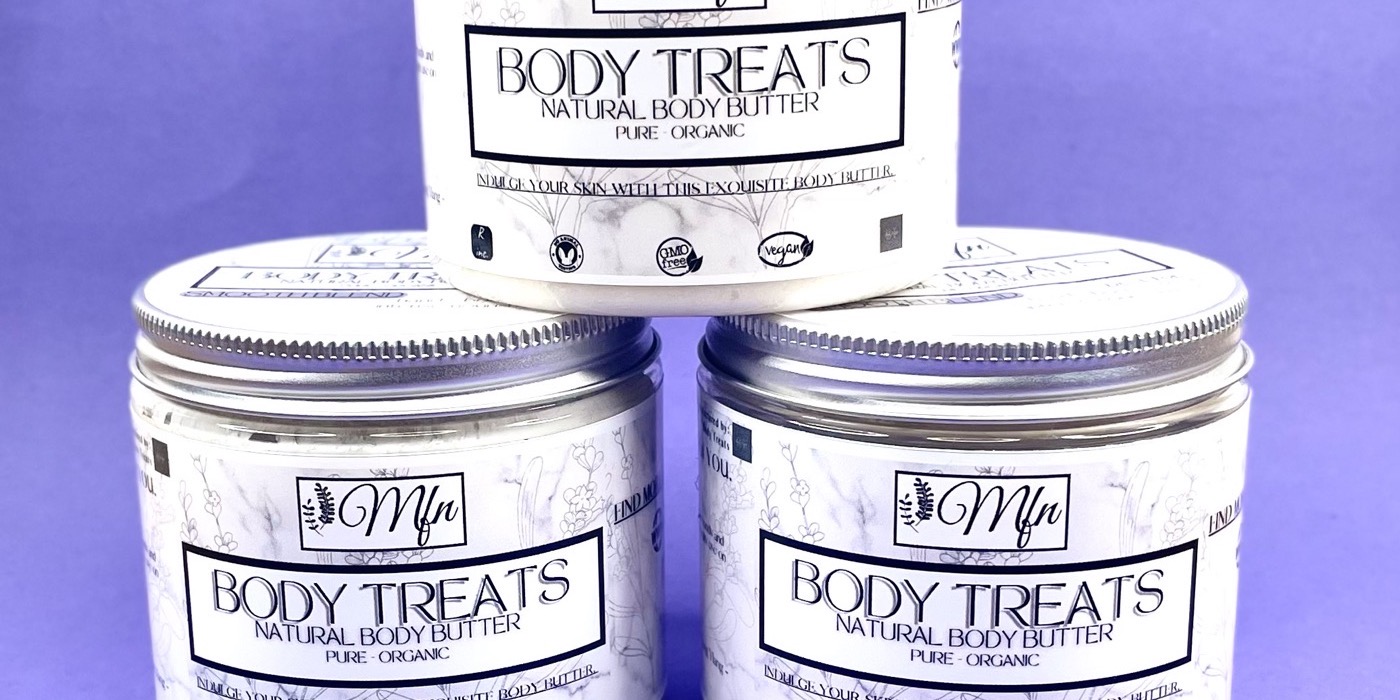
This is the single change that makes the biggest difference. A body butter does not add water to your skin — it seals in the water that is already there. Applied to bone-dry skin, there is much less to seal.
Pat yourself mostly dry after a shower, leave the skin slightly damp, and apply then.
Our Body Treats butter is a blend of coconut oil, aloe vera and beeswax rather than a watered-down lotion, so a small amount covers a surprising area. If it feels greasy, you have used too much.
Warm it between your palms first — it melts on contact and spreads far more easily.
Natural butters firm up when it is cold and soften when it is warm. That is what an unadulterated butter does, and it says nothing about the quality. Warm the jar in your hands for a moment and it works exactly as it should.
Important: this article is general well-being information, not medical advice. It does not diagnose, treat or cure any condition. If you are pregnant, breastfeeding, taking prescription medication or managing a health condition, please speak to your GP or pharmacist before changing anything.
Last reviewed: 30 June 2026 by the Mundo Fit Natural practitioner team. We review our articles at least once a year.
Book a treatment and we will look at your hair properly and tell you honestly what it needs. Or ask Ivy, our 24/7 assistant, for a quick answer.
Keep reading
Too often and you risk thinning at the hairline. Too rarely and the roots matt together. Here is how to find your own interval.
Read articleWhy caffeine appears in our shampoo and conditioner — what the evidence supports, and what it will not do.
Read articleWhat UK guidance says about vitamin D, where the real gaps usually are, and when a supplement genuinely helps.
Read article